A First-Timer Guide to Betting the Grand National
 Available in US
The race where almost everyone is a beginner
About 30 per cent of people betting on the Grand National each year are first-timers or people returning after a long break from racing. Another sizeable chunk bet on this race and only this race, once a year, and never touch another market. If that sounds like you, welcome – you’re in by far the biggest cohort. This article is written specifically for you, without the jargon that would be unavoidable in a piece aimed at regular punters and without any attempt to nudge you toward a Lucky 31 or a £50 Yankee you don’t need.
There’s one number worth holding in mind before we start. Across the 12 million British adults who bet on the race each year, about 82 per cent stake £5 or less. The mass-market Grand National is a £2 to £5 flutter, not a serious punt, and everything in this guide is calibrated for that stake range. You don’t need to know how a Computer Straight Forecast dividend is calculated to have a good Saturday afternoon. You just need to understand what you’re picking, what it pays, and how to handle the moments around the race itself.
Pick a bookmaker, or try the Tote
Two realistic routes for a first-time bet. The first is an online account with a UK bookmaker – any of the major UKGC-licensed names will do, and the welcome offers on Grand National day are typically generous. Account opening takes about ten minutes: name, address, date of birth, deposit method. You’ll need to complete identity verification (a photo of your driving licence is usually enough) before your first withdrawal – not before your first bet, so you can deposit and bet immediately. Budget a minimum £5 deposit, up to whatever you’re comfortable risking for the afternoon.
The second is the Tote – pool betting, available at every UK bookmaker shop, online, and at any UK racecourse. Tote bets have a different flavour: rather than taking a fixed price, you stake into a pool and your return is calculated after the race based on how the pool splits among winning tickets. This sounds complicated; the practical experience is not. You name the horse, hand over the stake, take the ticket. On longshot winners the Tote often pays more than the bookmaker price would have; on short-priced favourites it usually pays less. For a first-timer the simplicity is a real selling point – no price-comparison, no decimal-versus-fractional confusion, just a horse and a stake.
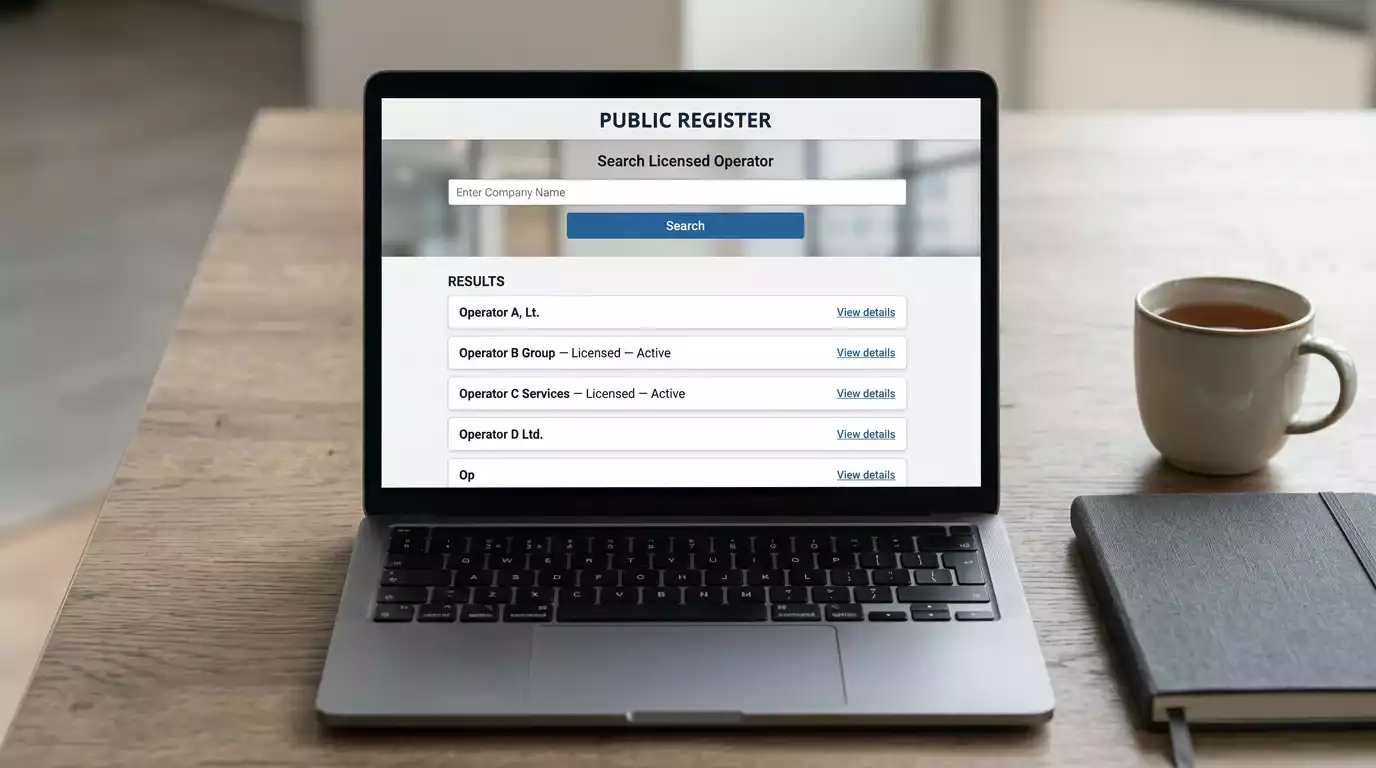
One thing that doesn’t help first-timers: going to offshore sites that offer “better odds” for new customers. The 522 per cent rise in unique visitors to unlicensed racing sites over the three years to September 2024 reflects real migration, but if your balance ever has a problem at an unlicensed site, you have no recourse. For a first bet, stick with a UKGC-licensed firm. You can see the list on the Gambling Commission’s public register.
Decide your stake before race day
This is the single most important habit. Decide, before Grand National week, what you’re willing to lose. Not what you’re hoping to win. What you’re willing to lose if every horse you back finishes outside the places. Whatever that number is, stake within it and don’t revisit the decision on the day.
A sensible starting budget for a first-timer is somewhere between £5 and £20 for the whole meeting, not just the National. If you want to spread across other races on Saturday – and there are four races at Aintree before the big one – splitting £2 or £3 on each race across the card gives you a longer afternoon of engagement for the same total. If you only want the National itself, one £5 each-way bet is a respectable punt that gives you a genuine rooting interest.
Don’t deposit more during the day. Every major UK bookmaker now offers a deposit limit prompt at account opening – as of 31 October 2025, every licensed operator is required to do this – and setting a realistic limit for the week before the race is the best decision most first-timers can make. If your pre-set limit is £20 for the week, that’s the ceiling. The adrenaline of the afternoon will make £50 feel small; your Sunday morning self will remember that £50 is not small.
Understanding odds in 30 seconds
Odds look complicated and they aren’t. A horse at 20/1 pays £20 profit for every £1 staked if it wins, plus your £1 back. So a £5 win bet at 20/1 returns £105 if the horse wins – £100 profit plus £5 stake. A horse at 4/1 pays £4 profit per £1, so £5 at 4/1 returns £25. Simple arithmetic. The slash is just “colon” – 20/1 is “twenty to one”.
Each-way bets are two bets in one: half your stake on the horse to win, half on the horse to finish in one of the placing positions (usually the first four in the Grand National, with many bookmakers offering five, six or seven places on the day as promotional extras). A £5 each-way bet costs £10 total – £5 on the win, £5 on the place. If your horse wins, both halves pay. If it places but doesn’t win, only the place half pays, at one-quarter of the win odds. A 20/1 horse that places pays £5 back at 5/1 on the place portion, so your place half returns £30 – and you keep your £5 stake even though the win half lost.
For the Grand National, each-way usually makes more sense than win-only unless you’re backing a very short favourite. The 40-runner field and enhanced place terms tilt the maths toward each-way for most horses.
Smart first-time bets
Three bet shapes I’d recommend to a first-timer, in descending order of simplicity.
The first is a single each-way on one horse, £2 to £5 each-way total stake. Pick a horse for a reason – it’s your birthday horse, you like the name, your aunt picked it out of a hat – and stake once. Don’t overthink. The enjoyment comes from the four minutes of the race, not the research before it. For a first bet, an each-way on a mid-priced horse (anywhere from 10/1 to 33/1) gives you a realistic chance of a return without requiring you to pick the actual winner.
The second is a Tote Placepot on the Grand National card. Pick one horse to place in each of the first six races at Aintree on Saturday. If all six horses make the places, you win a share of the Placepot pool. This is a single ticket, typically £2 minimum, that gives you engagement across the whole afternoon instead of just the National. Pools on Grand National day can be meaningful – the numbers are publicly displayed before the off – and the Placepot is specifically designed for the kind of casual participation the day attracts.
The third is a small win-only punt on a short-priced favourite, £5 or less, purely for the “what if I pick the winner” thrill. Not my recommendation for value, but the psychology of watching the race with a bet on the favourite is a different experience from watching with no bet at all, and that’s part of what you’re buying when you stake.
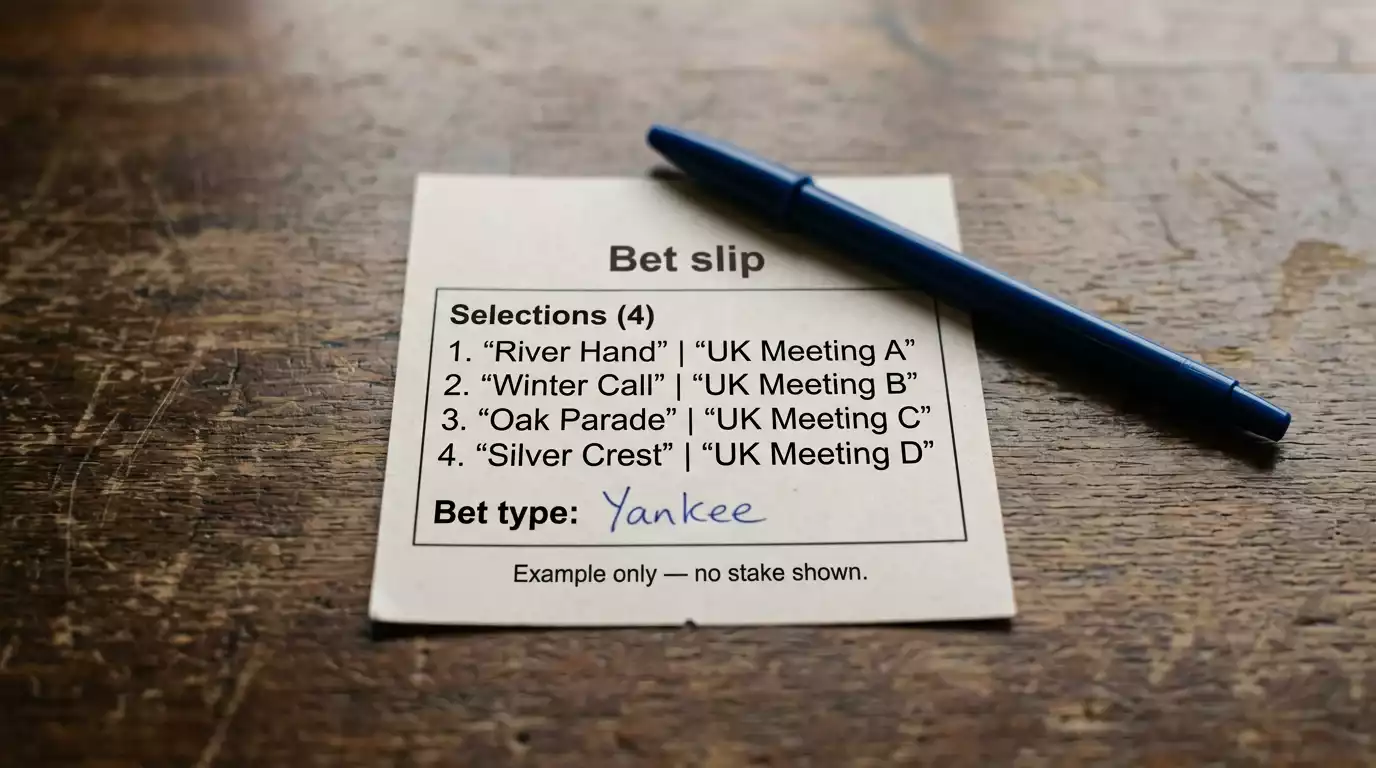
What to avoid: Lucky 15s, Lucky 31s, and permutation bets unless a friend walks you through the cost structure first. These bets bundle many individual bets together and the stake total can surprise you. A £1 Lucky 15 costs £15, not £1, and that’s exactly the wrong surprise to get on your first go. Similarly, avoid any bet called “combination” anything unless you’ve worked out what it costs before you click confirm.
Finally: screens, apps, and social media during the race. The Grand National is a four-minute race run at genuine speed, and the pleasure of watching is in the watching. Put the phone down. Watch it on a screen big enough to follow. Walk away from the slip until the race is over. The result arrives soon enough.
For the wider picture of Grand National betting – how the race actually works, ante-post markets, and the fuller story of what happens on Aintree day – our Grand National betting guide covers the ground you might want once the first bet is under your belt.
What’s a sensible first-time stake?
Somewhere between £2 and £5 for a single bet, or £5 to £20 for the whole afternoon if you want to bet multiple races across the Saturday card. The 82 per cent of Grand National bettors who stake £5 or less are a reasonable reference point – this is a mass-market flutter, not a serious punt, and starting small preserves your enjoyment without any risk of regret on Sunday morning.
Do I need to watch the whole race?
No, but you’ll probably want to. The Grand National is about four minutes long from start to finish, and watching adds almost all of the value of having staked. If you can’t watch live, most bookmakers provide race replays and the result is available immediately on ITV, the BHA site, and the Racing Post. Bets settle within minutes of the race ending, so you’ll know your outcome before you’ve had time to put the kettle on.
What if my horse is withdrawn before the race?
If a horse is withdrawn before the race starts, your bet is usually voided and your stake refunded, provided the withdrawal happens after declarations. For ante-post bets placed weeks or months ahead, Non-Runner No-Bet concessions – which most UK bookmakers offer in the Grand National ante-post window – return your stake if the horse doesn’t run. Day-of-race withdrawals are almost always void-and-refund regardless of which firm you’re with.
Published by the Betting for Horse Racing team.