Grand National Betting Guide 2026: Strategy, Markets and Odds at Aintree
 Available in US
Table of Contents
- The race that turns the whole country into punters
- Why the National doesn’t bet like any other race on the calendar
- The ante-post timeline most first-timers miss
- Extra places and why they’re the single biggest edge on National day
- Reading a 40-runner handicap without losing your mind
- Weight, ratings and what the handicapper is actually doing
- Jockeys, trainers and the form patterns that actually pay
- Two strategies: one for the once-a-year punter, one for the rest
- Why National Day is the black market’s single biggest trading day
The race that turns the whole country into punters
Twelve million British adults have a bet on the Grand National. That’s not a typo. It’s roughly one in four adult people in the country, placing around £250 million in stakes across a single Saturday afternoon at Aintree. For context, the Cheltenham Gold Cup — jump racing’s blue riband — generates roughly one-sixth of that turnover on the same sport, at the same level, three weeks earlier. The National is simply the largest betting event on the British sporting calendar, and one of the very few racing occasions where the serious racing punter and the once-a-year office sweepstake run happen on the same race at the same time.
About 82% of those bets are placed at stakes of £5 or less. Around 30% of the punters are first-timers, or returning after a long gap — essentially, people not in the regular market at all. That demographic split changes everything about how you approach the National as a betting event, because the market it creates isn’t the usual market. Short-priced favourites get backed because they’re favourites, not because the form suggests it. Long-priced runners with distinctive names get money nobody sane would put on them at any other race. And in the middle, there’s real value if you know what you’re looking at.
This piece is for the person who wants to approach the National with their eyes open. It’s not for the person who just wants a name to bet on — there are racing tipping columns for that, and I’m not in the business of telling you which horse. It’s for the person who wants to understand how the race structurally differs from other Saturday handicaps, how to read the ante-post markets in the run-up, how to exploit extra places responsibly, and how to navigate the one day of the year when the unlicensed betting market runs its heaviest volumes. For the broader regulatory and betting framework, my complete 2026 UK racing betting guide covers the wider picture. This one stays at Aintree.
Why the National doesn’t bet like any other race on the calendar
If you took a form book for the Grand National and handed it to a handicapper from any other jurisdiction in world racing, they would not immediately recognise what they were looking at. Forty horses, over four and a quarter miles, thirty fences, weight spreads wider than almost any other race on the planet, and a field drawn from the best staying chasers in Britain and Ireland mixed in among horses that have never contested a race of this length before. It’s a handicap, a stamina test, a jumping test and a luck-of-the-draw test folded into one Saturday afternoon.
The scale of interest is disproportionate even to the prize money. Industry analysis places Grand National turnover at roughly six times that of the Cheltenham Gold Cup, with 700% more stakes placed on it than the next most-bet race in the calendar. Those are Entain’s numbers, and they’re broadly consistent with what the other major UK operators publish privately. No other single race in British sport moves money on that scale.
That extra money changes the market. On a normal Saturday handicap, the smart money tends to shape the price; on the National, the shape of the price is driven by casual money — the uncle in the office sweepstake, the family that only bets twice a year. That matters because the market becomes less efficient at the top of the card and, in pockets, genuinely more efficient in the middle. A fashionably named outsider will be under-priced; a sober staying chaser with the right profile may drift out to a price the form doesn’t justify because nobody casual is interested in backing it.
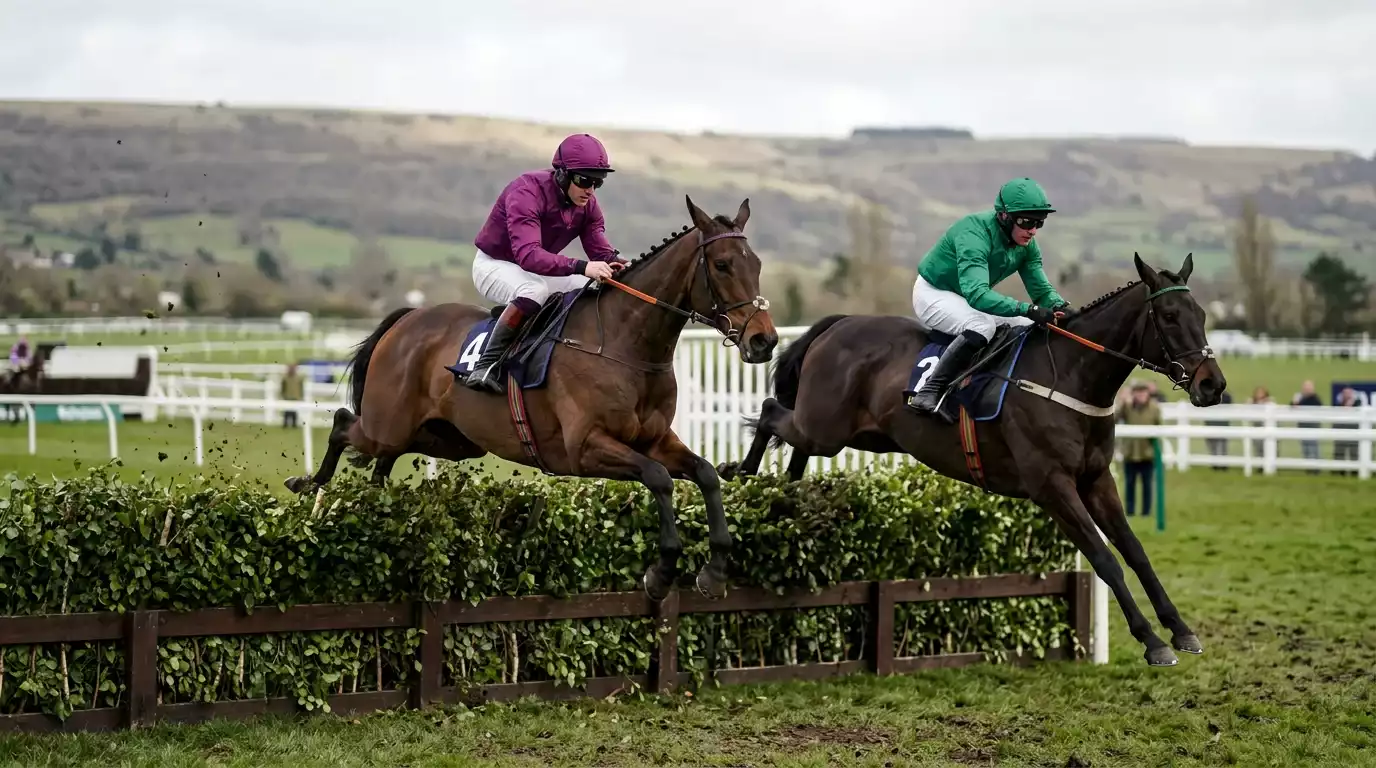
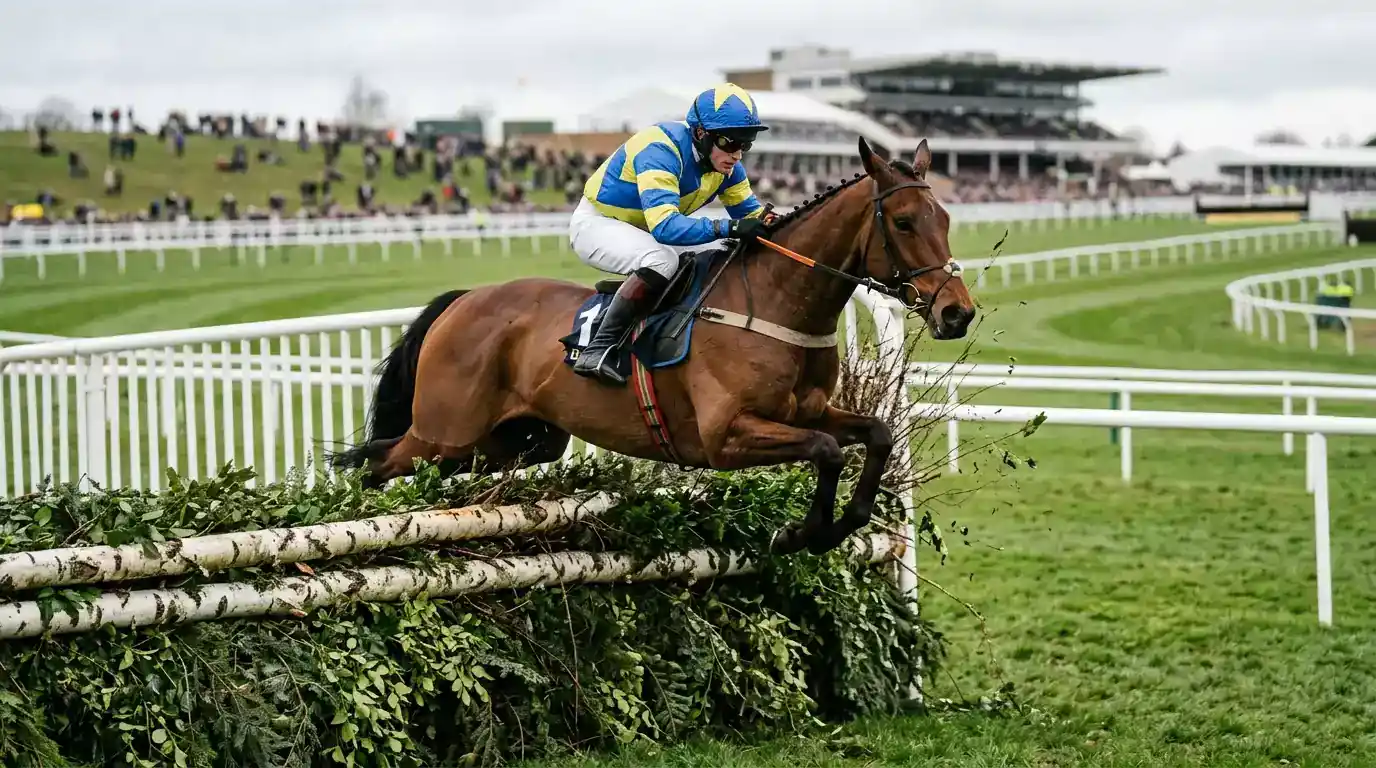
The field structure creates its own peculiarities. Forty runners means the each-way place market is paying three, four, sometimes five or six places depending on the bookmaker’s festival offer. The weight carried varies from about 10 stone to 11 stone 10 pounds, which in handicap terms is a spread that fundamentally rewards horses who’ve demonstrated the capacity to carry weight over distance. And the Aintree fences — Becher’s, Canal Turn, The Chair — are different in character from Cheltenham’s. A horse with a strong record over Aintree-specific fences genuinely is a different prospect to a horse who’s only jumped the Cheltenham-style hurdles.
All of which is to say: the National is a race where knowing its peculiarities is a real edge, because most of the people staking on it don’t know them. That’s not a criticism of casual punters; it’s an acknowledgment that the mass-market character of the race creates room for the informed minority to operate differently.
The ante-post timeline most first-timers miss
Ask most casual National punters when ante-post opens and they’ll guess “a few weeks before”. The actual answer, for British bookmakers, is roughly twelve months. The day after one Grand National ends, the market for next year’s is priced up — often quietly, with limited liquidity, but there. Prices in that immediate post-race window reflect the winner of the race just run, the horses that finished close, and the ante-post market-maker’s best read on the likely field a year out.
Those early prices are, frankly, a lottery. Twelve months out, you don’t know which horses will run, which will have been aimed at alternative targets, which will have suffered setbacks, and — critically — what weight the handicapper will allot. Backing a horse at 33/1 a year out sounds value until you consider that roughly 60% of ante-post stakes on the National are lost to non-runners. The horse doesn’t turn up; the slip is dead.
The windows that actually matter for most punters open progressively closer to race day. Around the turn of the year, the market tightens as winter jumps form develops and the likely field comes into focus. By February, when the final field is a little clearer and Cheltenham looms, ante-post prices start to reflect reality rather than speculation. By mid-March, after Cheltenham, the prices have digested festival form and the final entries start to firm up. And in the fortnight before the race itself, the “non-runner no bet” concession windows at major UK bookmakers kick in — some bookmakers designate specific days for NRNB coverage, others run it across the entire run-up, and a few tie it to the Racing Post’s Big Picture coverage of declarations.
The calculation most punters get wrong is comparing the ante-post price today to the likely starting price on the day. If your horse is 20/1 ante-post and looks likely to go off 12/1 on the day, the ante-post price is worth taking only if (a) you have strong conviction the horse will run and (b) the implied probability difference between the two prices compensates you for the non-runner risk. A rough working rule: unless you think the horse has a very clear path to the starting stalls and the price difference is meaningful, day-of-race under non-runner no bet coverage is usually the better trade.
One further wrinkle. The final 40-runner field is determined by a ballot process based on official BHA handicap ratings, with entries trimmed to the final list a few days before the race. Horses near the bottom of the weights can be reserves, meaning they might or might not run depending on non-runner declarations above them. Ante-post prices on horses in that tail of the field carry an additional risk the market doesn’t always price cleanly. That’s the kind of detail you’d never learn from a tipping column, and it’s the kind of detail that separates value bets from lottery tickets.
Extra places and why they’re the single biggest edge on National day
Here’s the single piece of structural value most National punters leave on the table. The standard UK industry rule for each-way betting is that 16-plus-runner handicaps pay four places. The National is a 40-runner handicap, which means bookmakers are competing for National-week business by extending that four to five, six, seven, sometimes eight paid places, often at quarter odds, sometimes at fifth odds. That isn’t a gimmick. That is a real shift in the mathematics of each-way.
Think through why. In a 16-runner race paying four places, about 25% of the field finishes in the paid frame. In a 40-runner National paying seven places, 17.5% of the field does — but the race itself is considerably harder to complete, and historical completion rates in the National hover well below the rates on shorter chases. The combination of an expanded place set against a field where a meaningful proportion fall or pull up creates each-way arithmetic that genuinely favours the punter on well-chosen outsiders.
Worked example. You back a 25/1 shot each-way at £5 each-way, so £10 total, in a National paying seven places at quarter odds. If the horse wins, the win part pays £125 profit, the place part pays £31.25 profit; total return including stakes is £171.25. If the horse places — anywhere in the first seven — you collect the place part only: £31.25 profit plus £5 stake back, a net £26.25 profit on your £10 outlay. You break even as long as at least one placed outcome happens across your selections; with two separate 25/1 each-way plays, the variance drops materially.
The trap to avoid is assuming every operator pays the same places. They don’t. National week is a competitive marketing window — extra-places offers are some bookmakers’ biggest promotion of the year — and comparing the place terms across licensed UK operators is, without exaggeration, the single highest-yield research step a National punter can take. It genuinely can be the difference between a breakeven each-way play and a positive-expectation one, on the same horse, with the same stake. Some operators apply the extras only to pre-race stakes placed before a certain time; others cover the whole day; a few restrict it to specific account types. Read the terms, compare the place counts, and pick accordingly.
Reading a 40-runner handicap without losing your mind
Forty horses. That number alone paralyses people who would happily analyse a 12-runner handicap over three miles. The instinct is to process every runner, which nobody has time for, and to end up backing names rather than form. There’s a better way, and it’s built on elimination rather than selection.
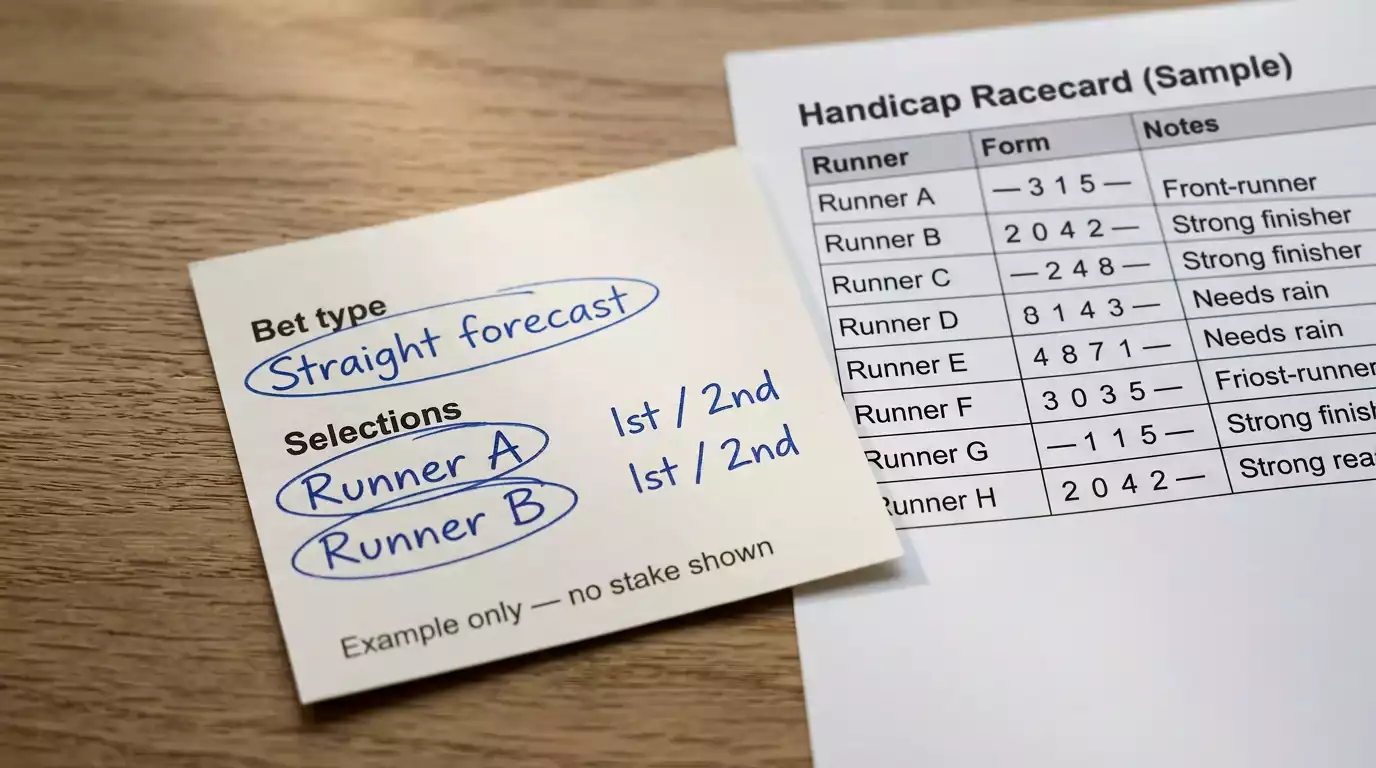
Start by cutting the field into bands you can work with. My own approach is four bands. First, the top ten in the market — horses priced shorter than 16/1. These are generally the proven staying chasers with recent form over similar trips and decent Aintree-specific or equivalent form. Second, the 16/1–33/1 band — horses who might have a dropped mark, improving form, or a specific angle (trainer or jockey) that justifies being backed. Third, the 33/1–66/1 band, where you’re looking for reasons to be interested rather than reasons to dismiss. Fourth, the tail — anything 66/1 or bigger — which is generally a fair market read, and where you’re backing almost on gut feel.
Within the top ten, look for three things: recent form over three miles or longer, a reasonable handicap mark against the top weight, and either a previous National run or demonstrated jumping ability over the specific Aintree fences. A horse that satisfies all three isn’t automatically a win bet — the price usually reflects it — but it’s the kind of horse you can build a portfolio around.
In the middle band, the 16/1–33/1 group, that’s where the each-way value typically sits. You’re looking for horses the market has priced on form that doesn’t quite reflect their current ability — younger chasers stepping up in trip, horses coming back from a wind operation, runners whose last run was on unsuitable ground and therefore reads worse than it is. Those are the horses the Racing Post columnists write about specifically, and it’s worth reading multiple tipping views on this band because consensus there tends to be more informative than consensus at the top of the market.
The third band is where sweepstake entries come from. Backing in this range is essentially a value punt on specific angles — a trainer with a historic Grand National record, an ex-point horse with strong Aintree-specific form, a returning winner of a secondary Aintree chase. Don’t load up here; two or three specific picks at genuinely attractive prices is the maximum most punters should play.
The tail speaks for itself. If you’re backing a 100/1 shot, you’re backing hope. Hope has its place — the 100/1 National winners exist in the history books for a reason — but don’t put real money on hope.
Weight, ratings and what the handicapper is actually doing
The handicap system is the engine of the National, and the weight a horse carries is the single most direct expression of the handicapper’s view of it. The top weight carries 11 stone 10 pounds; the bottom weight carries 10 stone. That sixteen-pound spread, in a race run over four and a quarter miles, is about as wide a practical spread as you’ll find in flat or jumps racing. Every pound matters.
The official rating is the handicapper’s numerical assessment, based on the horse’s form, of where it should sit in a handicap relative to other horses in training. For the National, horses are weighted by the senior handicapper with specific attention to stamina indicators and Aintree-specific form. A horse whose rating is 160 carries ten pounds more than a horse whose rating is 150. The weight-for-ratings scale is straightforward — one pound per rating point — but how a horse carries that weight over the National’s distance is not.
Historical patterns matter here. The National has been won by top-weights, middle-weights and low-weights in the last decade, but the distribution skews toward the middle weights — horses rated around 150–158 in the official framework. Top-weights face a considerable penalty in a race where stamina is decisive; horses with very light weights sometimes lack the class to navigate the fences with authority. The middle band is, historically, the bet.
The weight also interacts with the going. On soft or heavy ground — which is increasingly common given the shift to earlier April dates — carrying extra weight becomes materially more punishing. A top-weight who’s a quality performer on good ground can become a liability on heavy ground, because the combination of weight and soft turf compounds. The going forecast for the race is published in the days before; reading it against the weights the horses are carrying is a genuine analytical step.
One specific signal worth watching. A horse who’s run in the National before — particularly one who has completed — tends to have an edge over a first-time runner at the same rating. The Aintree fences take getting used to, the distance takes getting used to, and horses that have been round once have, measurably, a better completion record than horses making their first attempt. That’s not a guarantee, but it’s a factor that doesn’t appear explicitly in the form book and that casual punters often miss.
And one trap to avoid. The “good at the weights” argument — where a punter claims their horse is “well in” at the handicap — is worth about as much as the form the claim is based on. The handicapper doesn’t make mistakes of that magnitude very often. If a horse looks massively under-weighted compared to its form, usually the form itself is flattering, or the horse has a physical or temperamental issue not visible in the ratings. Trust the handicapper’s judgment more than the tipping column’s.
Jockeys, trainers and the form patterns that actually pay
Trainer form in the run-up to the National is a stronger predictor than most punters give it credit for. Specific yards — the handful of Irish and British trainers who target this race structurally — tend to arrive at Aintree with horses in peak condition, and the patterns repeat across years. A trainer who has two runners out of three complete the course in recent Nationals is giving you real information about preparation quality. A trainer whose National runners consistently fade out of contention by the second circuit is telling you something equally important.
The jockey angle is subtler and more often overplayed. Experienced National-winning riders have an edge around Aintree’s fences — Becher’s and the Canal Turn reward specific riding approaches that take years to develop — but jockey bookings change late, jockey-horse combinations don’t always reflect preparation, and a first-time National rider on a well-schooled horse isn’t automatically a negative. The jockeys worth watching are the ones whose trainer you already trust, because that combination indicates deliberate stable planning rather than last-minute replacement.
Form patterns that do pay: recent wins over three miles or longer in decent company, a strong placed effort in the previous year’s National, a drop in official rating over the winter after earlier form higher up, and — more quietly — ground-specific form that matches the expected going. Form patterns that don’t pay as often as the casual market thinks: hurdle wins in the run-up (different skill set entirely), short-distance chase wins (the National’s four and a quarter miles punishes horses without proper staying credentials), and over-hyped reappearance wins against weak fields.
One angle I’ve seen work repeatedly. Horses who ran well at Cheltenham three weeks earlier in a staying chase — not necessarily won, but ran well — often arrive at Aintree with the right sharpness. The gap is short enough to retain fitness, long enough to recover from the Cheltenham exertion. Horses who won at Cheltenham tend to go off shorter than their form alone justifies because the market is still high on the Cheltenham result; horses who ran a close third or fourth at Cheltenham often drift slightly at Aintree and represent better value on the same form.
Read the Racing Post’s pre-race coverage — particularly the form previews — alongside the final declarations. The columnists have access to stable intelligence the market doesn’t fully reflect, and reading two or three different columnists’ views on the race gives you a genuine cross-check on your own reading of the form.
Two strategies: one for the once-a-year punter, one for the rest
The casual punter and the serious punter are playing different games on National day, and that’s fine — but they should play them differently rather than pretending the other person’s game works for them. Here’s how I’d approach each.
For the once-a-year punter — the office-sweepstake person, the family group, the Saturday-afternoon-only bettor — the right bet is usually a small stake each-way on one or two horses whose names or stories you find appealing, at a bookmaker running a meaningful extra-places offer. The case isn’t statistical. It’s that the National is a spectator event for the large majority of people who bet on it, and the expected value of the bet matters less than the enjoyment of having a stake in the outcome. Pick a name, take the extra places, keep the stake small enough that the loss doesn’t ruin the afternoon. One academic analysis of the race noted that around 82% of National bets are placed at £5 or less — that’s the right scale for the right reason.
What not to do as a casual punter: back the favourite because it’s the favourite. The market on National day is distorted enough that the favourite is often not the best value. Pick a horse from the 16/1–33/1 band whose form reads reasonably, take each-way, and let the race happen.
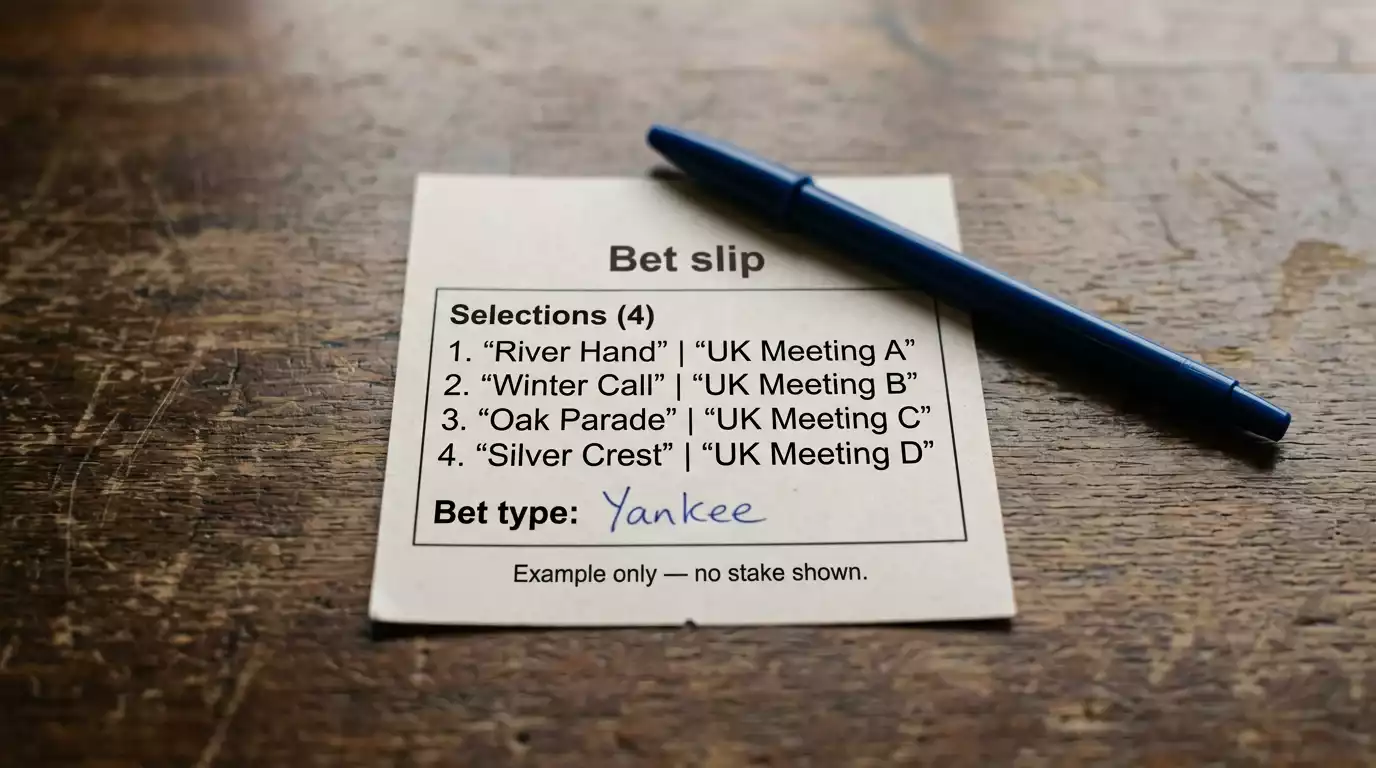
For the serious punter, the approach is different. The National is a race where structural value exists — the extra-places offers, the market inefficiency at the top of the price list, the non-runner no bet coverage — and the right posture is to exploit the structure rather than the horses. A small portfolio of two or three each-way bets across the 12/1–40/1 range, spread across bookmakers running the best place terms, with stakes calibrated so that a single placed outcome is positive expected value, is a meaningfully different game from the casual approach.
The trap for serious punters is overplaying the race. National day is a once-a-year opportunity, and the temptation to stake more than usual, add more selections than usual, or chase perceived value in races other than the National itself is strong. Resist it. The rest of the Aintree card is competitive racing in its own right, but the singular feature on the day is the big race, and that’s where focused analysis produces results. A William Hill spokesperson characterised the Cheltenham Festival as “the battle between us and the punters” with around £450 million wagered over four days; the National compresses a comparable fight into a single race, and the punters who do best are the ones who know which fight they’re actually in.
One further thought. Reading the ground report on the morning of the race is non-negotiable. Going changes at Aintree in the 48 hours before the race more than people expect, and the horses who handle soft versus good versus firm ground are genuinely different populations. If the going shifts materially from the forecast you read on Thursday, the market on Saturday morning will reprice, and the first twenty minutes after the ground update is when the biggest pricing gaps appear. That’s the window.
Why National Day is the black market’s single biggest trading day
Estimates from Entain placed roughly £10 million of Grand National 2025 stakes — around 5% of the total wagered on the race — with unlicensed operators. That’s the single largest visible black-market trading day of the year in British racing, and it’s visible precisely because the total turnover on the race is so enormous. The unlicensed share of the National is actually smaller in percentage terms than the unlicensed share of overall UK online betting, which Yield Sec put at 9% in the first half of 2025. The raw number is larger because the denominator is larger.
Betting and Gaming Council chief executive Grainne Hurst said at the time that the Grand National is one of the precious few sporting events in this country with the ability to unite the entire nation around a single spectacle — the nation’s punt, being subverted by illegal operators offering illicit gambling to thousands of punters, many of whom are vulnerable to harm. That wasn’t marketing rhetoric. It was a response to visible marketing activity by unlicensed sites targeted specifically at the casual National audience in the weeks before the race.
The pitch unlicensed sites make to casual National punters is consistent: “better odds”, “no affordability checks”, “bigger welcome bonuses”. The reality of what happens afterward is also consistent: no payout path if the operator disputes a winning bet, no recourse if the account is closed with funds inside, no protections that UKGC licensing enforces. For a casual punter placing a £5 or £10 bet, the immediate consequences of moving to an unlicensed operator are small — you lose the bet if the horse doesn’t win, same as anywhere. The downstream consequences, if you have winnings you can’t extract or deposits you can’t recover, are substantially worse.
The practical advice for National day is the same advice that applies all year: place your bet with a UKGC-licensed operator, compare place terms across the major books, and treat any offer that sounds materially better than the market as a reason to ask why, not a reason to click.
When do Grand National ante-post markets typically open?
Markets open within days of the previous year’s National, roughly twelve months ahead of the race. Liquidity is thin in the immediate aftermath and prices are heavily speculative. The first window where the market meaningfully tightens is around the turn of the year, when winter jumps form comes into focus. Non-runner no bet concessions from major UK bookmakers typically apply during defined windows in the last few weeks before the race, not to the long-range ante-post market.
How many places do UK bookmakers usually pay on the Grand National?
The industry standard for 16-plus-runner handicaps is four places at quarter odds. The National is a 40-runner handicap, so the competitive pressure around National week pushes bookmakers to extend to five, six, seven or in some cases eight places as a promotional offer. Comparing place terms across operators before placing each-way bets is the highest-yield research step a National punter can take — the difference between four and seven paid places is material to the mathematics of the bet.
Should a first-time punter back a favourite or a longshot?
Neither automatically. The favourite on National day is often shorter than the form alone justifies because casual money gravitates to the top of the market. A longshot in the 66/1-plus band is a lottery ticket. The middle band, 16/1–33/1, is usually where form-based value sits. For a first-timer, a small each-way stake on one or two horses in that middle band, at a bookmaker running a strong extra-places offer, is a better-designed bet than either extreme.
What happens if my ante-post Grand National horse doesn’t run?
Under standard ante-post rules, your stake is lost if the horse is withdrawn. The exception is bets placed under a non-runner no bet concession, which several UK bookmakers run on specific markets during specific windows in the run-up to the race. Inside the NRNB window, withdrawn horses’ stakes are refunded; outside it, the default ante-post rule applies. Always read the specific market terms before placing the bet, because windows vary by operator.
Prepared by the Betting for Horse Racing editorial staff.